
 Login
Login 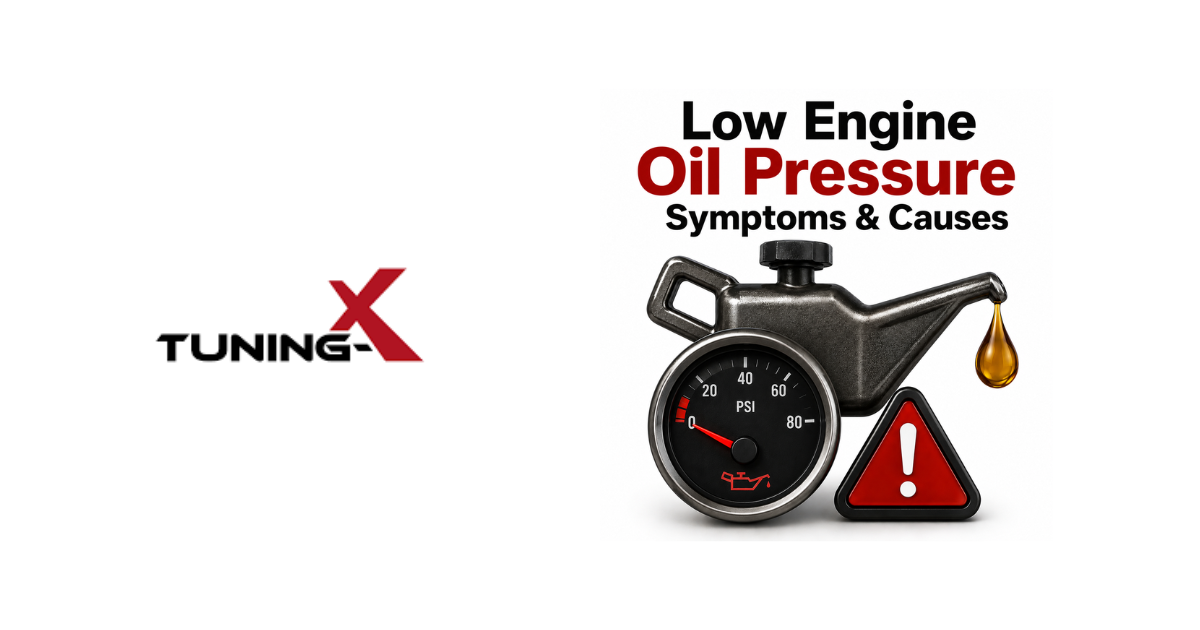

Low Engine Oil Pressure- Symptoms & Causes.
The engine oil’s role is to make an engine run smoothly. It lubricates all moving parts, reduces friction, helps in keeping temperature controlled, and prevents excessive wear and tear this way. In order for oil to perform these functions, it must circulate through the engine at the correct pressure all the time the engine is running. When oil pressure drops below preset levels, the engine may not receive the correct lubrication. Increasing this way the risk of serious damage.
Low engine oil pressure is a problem that should never be ignored and should immediately be taken care. While it can happen from a low oil level, it may also indicate more serious problems, such as a failing oil pump or worn engine components. Understanding the symptoms and causes of low oil pressure can help owners identify problems early and avoid heavy damage to the engine.
But what Is Engine Oil Pressure?
Engine oil pressure is the force that oil is moving through the engine’s lubrication system. Oil, with the help of oil pumps, circulates through various passages. This way all the engine’s critical components, the pistons, the bearings, the camshafts, and the crankshafts, remain properly lubricated at all times.
The correct oil pressure when the engine is running is really important. When the correct oil pressure is established, oil creates a protective film between metal parts that otherwise would rub directly against one another. Without sufficient pressure, engine components increase friction. It is important to understand that oil pressure and oil level are different. While a low engine oil level can reduce pressure, other, way more serious mechanical problems may also lower pressure even when the engine contains the correct amount of oil.
Common Symptoms of Low Engine Oil Pressure.
In a working engine with low oil pressure, there are often many warning signs before significant engine damage occurs. Recognizing and understanding all these symptoms early can help prevent extensive damage. Let’s see some of the most common and important ones.
Low Engine Oil Level.
The most common cause of low oil pressure in an engine is low oil quantity. The oil level may drop for many reasons. Leaks, excessive oil consumption, not-on-time maintenance, and bad quality or wrong specifications for oil are some of them. When there is not enough oil available, pressure drops. Regular oil level checks can solve this issue before it becomes serious.
Worn Engine Bearings.
The engine bearings’ function is to support moving parts while maintaining proper oil flow. Over time, bearings can wear down, creating larger clearances between components.
As clearances increase, oil passes through way more easily, reducing pressure. This problem is particularly common in high-mileage engines.
Faulty Oil Pump.
The oil pump is the device that circulates oil throughout the engine. If the pump becomes worn, damaged, or clogged, it cannot maintain the correct oil pressure.
Oil pump failure is a serious problem because it directly affects the engine’s ability to receive lubrication. Symptoms often include persistent warning lights and unusual engine noises; if these symptoms are not addressed immediately, engine failure follows.
Clogged or Damaged Oil Filter.
The oil filter cleans the engine oil and removes contaminants from the engine oil before it circulates through the engine. Over time, the filter can become clogged with debris and sludge. A severely blocked filter can interfere with oil flow and can cause pressure problems. Replacing the oil filter during routine oil changes helps prevent this issue.
Incorrect Oil Viscosity.
Engine oils are designed with specific specifications. Viscosity is one of the most important. Different viscosity oils are used in different engines. Using oil that is too thin may reduce pressure, particularly in older or worn engines.
Manufacturers specify the correct oil grade for each engine, and using the correct viscosity can help maintain proper lubrication.
Faulty Oil Pressure Sensor.
In some cases, the engine may be functioning normally while the oil pressure sensor provides wrong readings. A defective or damaged sensor can trigger warning lights even when actual pressure is in the normal range. Because of this possibility, proper diagnosis is necessary, and most of the time, it is the first step to identify if the sensor has any issues.
Engine Sludge Buildup.
Engine sludge forms when oil breaks down, and contaminants accumulate over time. This thick residue can block oil passages and restrict flow throughout the engine.
On vehicles, when oil changes are not done on time, sludge can build up. If not treated as soon as possible, sludge can significantly affect oil pressure and engine performance.
Is It Safe to Drive with Low Oil Pressure?
Driving a vehicle with low oil pressure is generally not recommended and should not happen. When an engine is functioning even for a short period without proper lubrication, it can cause wear on the engine or even completely destroy it.
If the oil pressure warning light appears while driving, the vehicle must be stopped as soon as conditions allow, and the cause must be searched for. Continuing to drive may lead to severe damage and complete engine destruction.
How to Diagnose Low Oil Pressure?
Diagnosing low oil pressure starts with a few basic checks. First, the engine oil level should be checked using the dipstick. If the level is low, adding the correct type of oil can solve the issue.
Next, the engine should be checked for any oil leaks. For any experienced driver who has mechanical knowledge, the condition of the oil should also be evaluated, as dirty or degraded oil can contribute to lubrication problems.
If no obvious cause is found, technicians measure actual pressure. This way, they determine whether the problem lies within the lubrication system or with an electrical component such as the oil pressure sensor.
How to Fix Low Engine Oil Pressure?
The correct repair of low oil pressure mainly depends on the cause of the problem.
If low oil levels are responsible, filling the oil and repairing any leaks will restore normal pressure. A clogged oil filter should be replaced, while an incorrect type of oil should be drained and replaced with the manufacturer-recommended type.
When the issue involves a faulty oil pressure sensor, replacing the sensor is the appropriate repair.
For way more serious problems, such as oil pump failure or worn engine bearings, professional mechanical work should be done in the appropriate workshop or dealership.
Accurate diagnosis is the most important step in fixing low oil pressure. This is because replacing parts without confirming the root cause can result in unnecessary expenses without solving the problem at the end.
Conclusion.
Low engine oil pressure is a warning sign that should be taken care of immediately. No matter the reason—low oil levels, a faulty oil pump, worn bearings, or sludge buildup—low oil pressure can quickly lead to severe engine damage, even engine destruction.
Understanding common symptoms when driving, such as warning lights, unusual engine noises, overheating, and reduced performance, can help identify problems at early stages. By maintaining the engine properly and responding quickly to warning signs, owners can protect their vehicle and ensure reliable performance for many miles to come.