
 Login
Login 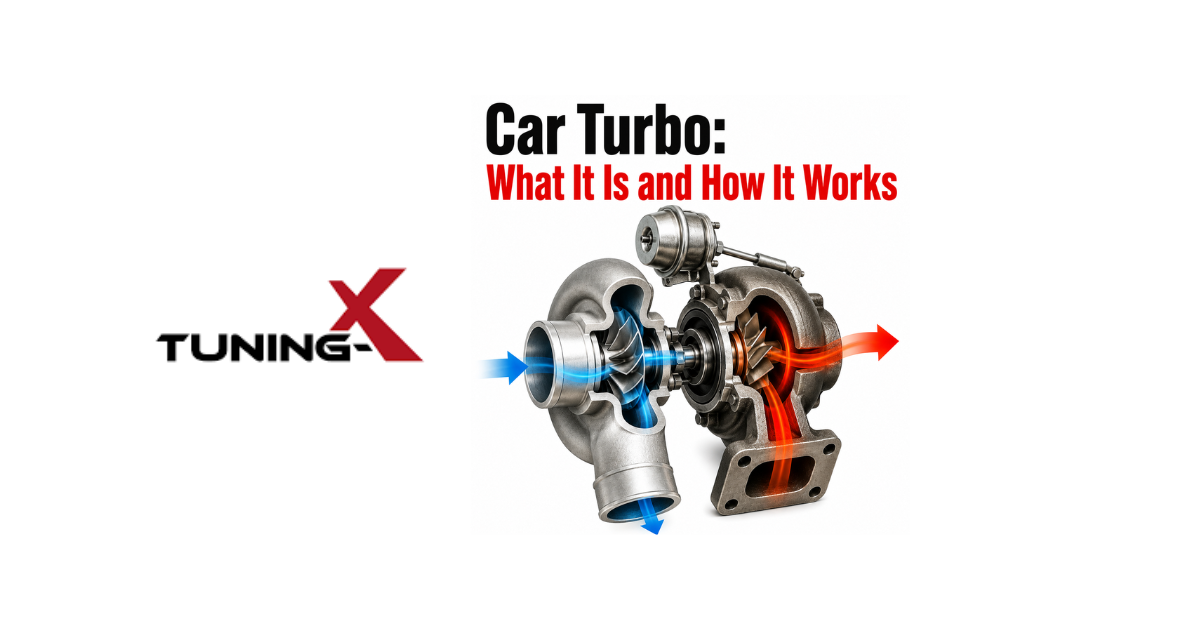

Car Turbo.
What It Is and How It Works
All the owners of modern cars expect their vehicles to deliver a balance of power, fuel efficiency, and smooth performance. One of the key technologies that has made this possible in the last few decades is the turbocharger, widely known as a car turbo. Once used in high-performance sports cars and racing vehicles. Turbochargers are now found in everything from compact hatchbacks to heavy-duty trucks. Car industries are widely using turbocharged engines because they provide more power without significantly increasing engine size or fuel consumption.
Despite the fact that they have been used on almost every vehicle in the last few decades, many drivers still wonder what a turbocharger actually does and how it works. While the concept may seem technical and hard to understand at first, the principles behind turbocharging are surprisingly clear. By making better use of the engine’s exhaust gases, a turbocharger boosts performance efficiently and effectively.
In this article we will explain what a car turbo is, how it functions, its main components, advantages, disadvantages, maintenance requirements, and the signs that indicate it may need repair or replacement.
What Is a Car Turbo?
A car turbo, also known as a turbocharger, is a mechanical device that has a turbine that spins and forces air into an engine’s combustion chamber. The more an engine uses it, the more oxygen it has, and with additional oxygen, the engine burns more fuel. This process generates way more power from the same-size engine. The naturally aspirated engines rely completely on atmospheric pressure to push air into the cylinders. On the other hand, the turbocharged engines compress incoming air before it reaches the engine. Hot exhaust gases that would otherwise be wasted are used to power the turbos. Instead of allowing the engine’s exhaust gases to exit the exhaust system unused, the turbo transforms them into energy, which is used to spin a turbine.
The fact that turbos use exhaust gases’ energy to push more air into the engine is the main reason turbochargers have become increasingly popular in modern vehicles.
How Does a Turbocharger Work?
The operation of a turbocharger is simple. In a few words, a turbo has two connected turbines placed together. The first turbine is positioned after the exhaust. By the time the hot exhaust gases exit the engine, they spin this turbine at extremely high speeds. Even at speeds exceeding 200,000 revolutions per minute (RPM). This is connected by a shaft to the second turbine, the compressor. As the exhaust turbine spins, it rotates the compressor on the intake side.
The compressor pulls fresh air through the air filter, cools it with the help of an intercooler, compresses it, and forces it into the engine’s intake manifold under great pressure. Because compressed air contains more oxygen than naturally drawn air, the engine can burn additional fuel, creating stronger combustion and producing this way more horsepower. Compressing air increases its temperature, and hot air is less dense than cool air. The intercooler lowers the air temperature, making it denser and allowing even more oxygen to enter the cylinders. The air that passes through the intercooler is kept cold, and this way performance and efficiency are improved. While the engine is running, the turbo is adjusted all the time according to engine speed and load.
Main Components of a Turbocharger.
A turbocharger has several important parts that work together to boost engine performance. Let’s see the most important ones.
The Turbine Housing. The turbine housing directs exhaust gases toward the turbine wheel. Its design has a lot to do with how quickly and how efficiently it generates boost pressure.
The Turbine Wheel. The turbine wheel is driven by exhaust gases; the turbine wheel converts exhaust gases into rotational energy, and this energy gives motion to the compressor that is connected on the other side.
The Compressor Wheel. The compressor wheel draws fresh air. Compresses it and delivers it to the engine under increased pressure.
The Center Housing. The center housing is between the turbine and compressor. It contains the rotating shaft and its bearings. The bearings are lubricated with engine oil. This way, the friction is reduced, and overheating is prevented.
The Wastegate.If left uncontrolled, pressure will rise to levels that can harm the engine. For this reason, the wastegate regulates boost pressure. It achieves this by controlling how much exhaust gas enters the turbine. Once the desired boost pressure is achieved, the wastegate opens to release exhaust gases.
The Intercooler. Although technically the intercooler is separate from the turbocharger, it is considered an essential component in most turbocharged systems. Its job is to cool compressed intake air before it enters the engine, thereby increasing this way the efficiency and reducing the risk of engine knocking.
Why Do Manufacturers Use Turbochargers?
In recent decades, manufacturers have faced an increasing demand to improve fuel economy while reducing emissions without sacrificing performance. Turbocharging helps them to achieve these objectives.
Instead of installing a large-displacement engine, manufacturers can use a significantly smaller engine equipped with a turbocharger. This approach, known as engine downsizing, allows a smaller engine to deliver the performance of a much larger one while consuming less fuel during normal driving.
For example, a turbo engine with 1.5-liter displacement can produce power as if it were a naturally aspirated 2.5-liter engine. At the same time, it offers better fuel economy under any driving conditions.
This has made turbocharging the best improvement in modern engine technology.
Advantages of a Car Equipped with a Turbo.
Turbochargers offer a great amount of benefits for both everyday drivers and performance enthusiasts. Let’s see the most important of them.
Increased Engine Power. The most obvious advantage is significantly improved horsepower and torque. Turbocharged engines accelerate faster and provide way better acceleration.
Better efficiency. Since turbocharged engines can be smaller while delivering similar performance, they consume less fuel compared to a naturally aspirated engine with the same performance.
Lower Emissions. Smaller turbocharged engines produce fewer carbon dioxide emissions than larger naturally aspirated engines. This way, manufacturers can meet all emissions.
Better Use of Waste Energy. If not used, the exhaust gases simply escape unused. Turbochargers recover part of their energy to improve engine output.
Disadvantages of Turbocharged Engines.
Although turbochargers provide many advantages, they also have certain drawbacks. The most common one is turbo lag. Turbo lag, for those who do not know it, is the brief delay between pressing the accelerator and the turbo producing full boost pressure. Modern turbos have significantly reduced this issue, but it can still be noticeable on some occasions. Higher maintenance requirements that turbo engines need. Turbochargers operate under extreme heat and very high rotational speeds. To operate safely, they need clean, high-quality engine oil for lubrication. Poor maintenance can lead to problems. Increased Repair Costs. If a turbocharger fails, replacement or rebuilding can be expensive due to the complexity of the system. And finally, the additional heat.
Turbo engines generate more heat than naturally aspirated engines; for this reason, they require better cooling systems.
Common Signs of Turbo Problems.
Like any mechanical component, turbochargers can wear over time. Understanding early that there is a potential problem by being able to detect warning signs can help prevent more serious engine damage. The most common symptoms include:
- Noticeable loss of engine power.
- Excessive black or blue exhaust smoke.
- Strange metal rubbing noises.
- Increased engine oil consumption.
- Check Engine Light.
- Poor fuel economy.
- Slow acceleration.
- Turbocharger oil leaks.
If a driver notices any of these symptoms, he should inspect his vehicle with the help of a qualified technician as soon as possible. A properly maintained turbocharger can last well over 160,000 kilometers, and in many cases, it will last the life of the vehicle.
Drivers can maximize turbo lifespan by following some simple maintenance practices. First and most important are regular oil changes. They are really important because the turbo uses engine oil for lubrication and cooling. Drivers should always use the recommended oil grade to keep the turbo protected. The second most important step that should be done is to replace the air filter when it is recommended; this prevents dirt and debris from damaging the turbo. Drivers should also avoid aggressive acceleration right after starting a cold engine. This allows the oil to circulate properly before placing the turbo under heavy load. After long highway drives or fast track driving, the driver should always allow the engine to idle briefly before shutting it off. This reduces turbo temperatures.
If drivers follow the vehicle’s maintenance program and solve any small issue that they might notice, turbocharger reliability will be extended.
Is a Turbocharged Car Worth It?
For the majority of drivers, a turbocharged vehicle offers the most wanted balance between performance and efficiency. Modern turbochargers are way more reliable than those of the past, and many manufacturers include them as standard equipment across their models.
Drivers who travel on highways and tow heavy trailers often appreciate the additional torque that turbocharged engines provide. At the same time, drivers who are focused on fuel economy benefit from smaller engine sizes without sacrificing power.
While turbocharged engines need better maintenance than naturally aspirated engines, when done properly, a turbo can work without any problem.
Conclusion.
A car turbocharger is one of the most effective components for increasing engine performance and maintaining fuel efficiency. By using energy from exhaust gases, a turbocharger enables smaller engines to produce a great amount of horsepower and torque without significantly increasing fuel consumption.
If a driver is really able to understand how a turbo engine works, it can help him understand the importance of proper maintenance. Regular oil changes and quality air filters play a major role in extending turbocharger life. For modern models, turbocharging remains an important factor in engine performance and efficiency. This allows engines to deliver the power drivers want while meeting the growing demands for improved fuel economy and reduced emissions.